
What Are The Early Warning Signs Of A Full Septic Tank?
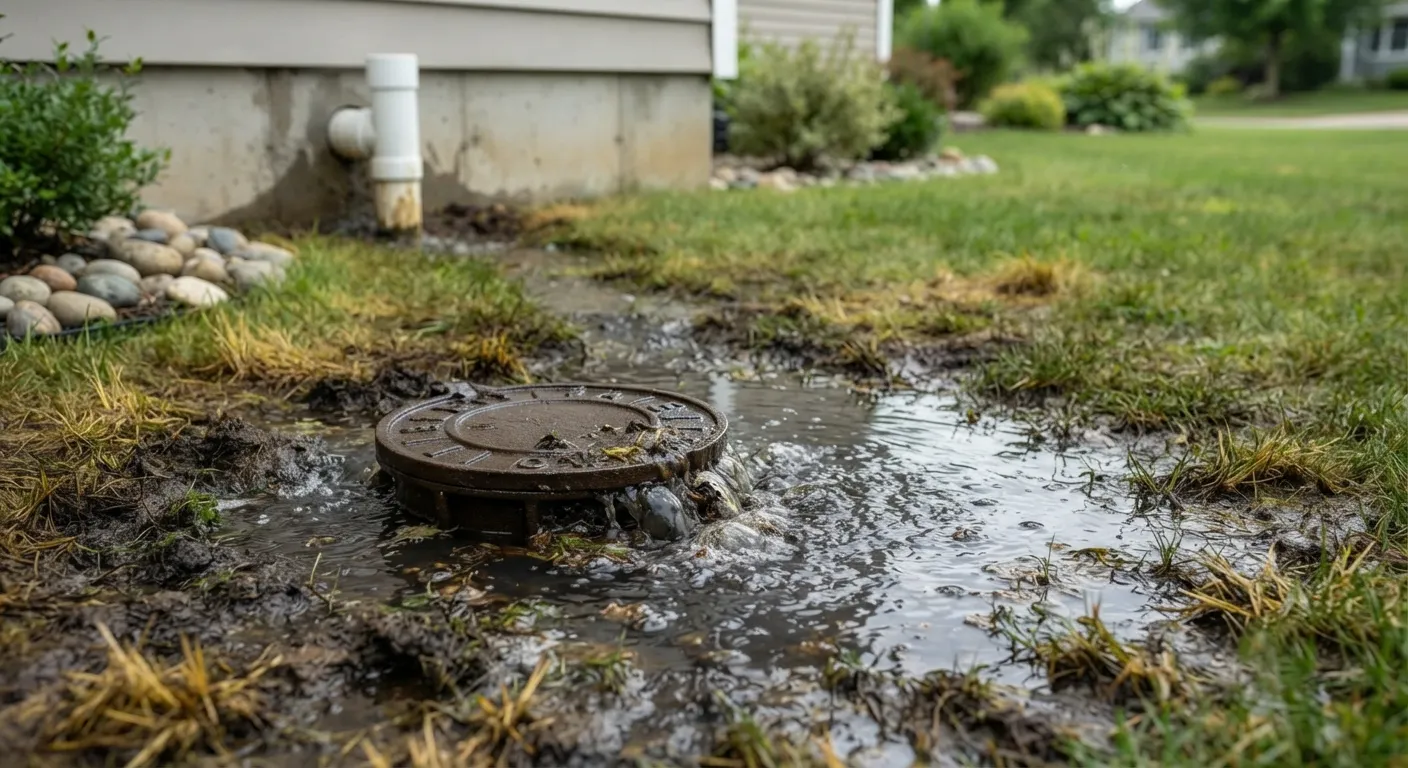
Slow drains in more than one fixture at once is the first tell. A single slow sink is probably a clogged trap. Slow drains in the shower, the toilet, and the kitchen sink on the same day means the tank is backing up into the house side of the system. Gurgling sounds from pipes after a flush are next, and they mean air is trapped where wastewater should be moving freely. Standing water or a soggy patch over the drain field, even without rain, points to a tank that has stopped absorbing. Grass that is greener and thicker over the leach field than the rest of the yard is a quieter version of the same problem. Homeowners searching for septic tank pumping cost in Glendale usually find this stage, not full backup, is when a service call is cheapest. If any of these show up together, it is worth checking how often to pump a septic tank for your household size before scheduling.
Why Does My Septic Tank Smell Bad Outside?
A sulfur or rotten egg smell near the tank lid or drain field means gas is escaping through soil or a cracked seal instead of venting properly, and it will not fix itself. This is different from a bathroom that smells after heavy use. Outdoor odor near the tank location, especially after it rains or after heavy laundry days, usually means the tank is at or near capacity. Glendale properties on well or septic systems, particularly in older sections west toward Tolleson (9.7 miles southwest) and Litchfield Park (12.1 miles west), tend to run into this on tanks that have not been serviced on a set schedule. If the smell is coming from a grease interceptor rather than a home septic tank, the trigger point is different: a grease interceptor gets pumped once fats, oils, grease and solids reach 25 percent of the liquid depth, and that calls for grease trap pumping instead of a standard septic pumping service.
What Happens If I Ignore Septic Warning Signs?
Ignoring these signs leads to a backup into the house, and that is a hazmat cleanup, not a plumbing call. Wastewater backing into a tub or floor drain means the system has failed, not just slowed. At that point the fix is usually an emergency pump-out plus a look at the drain field itself, and costs go up fast compared to a routine visit. A septic day-rate service call in Glendale runs in a band of $150 to $300, while a scheduled weekend maintenance visit runs closer to $50 to $150; waiting until it is an emergency means paying at the higher end and possibly needing emergency septic service same day. If your property needs a temporary solution while the system is diagnosed or repaired, a holding tank rental keeps the household running without dumping into a compromised system.
| service | duration | typical price |
|---|---|---|
| septic pumping | day | $250 |
| septic pumping | weekend | $100 |
How Do I Know If It's My Tank Or A Blocked Pipe?
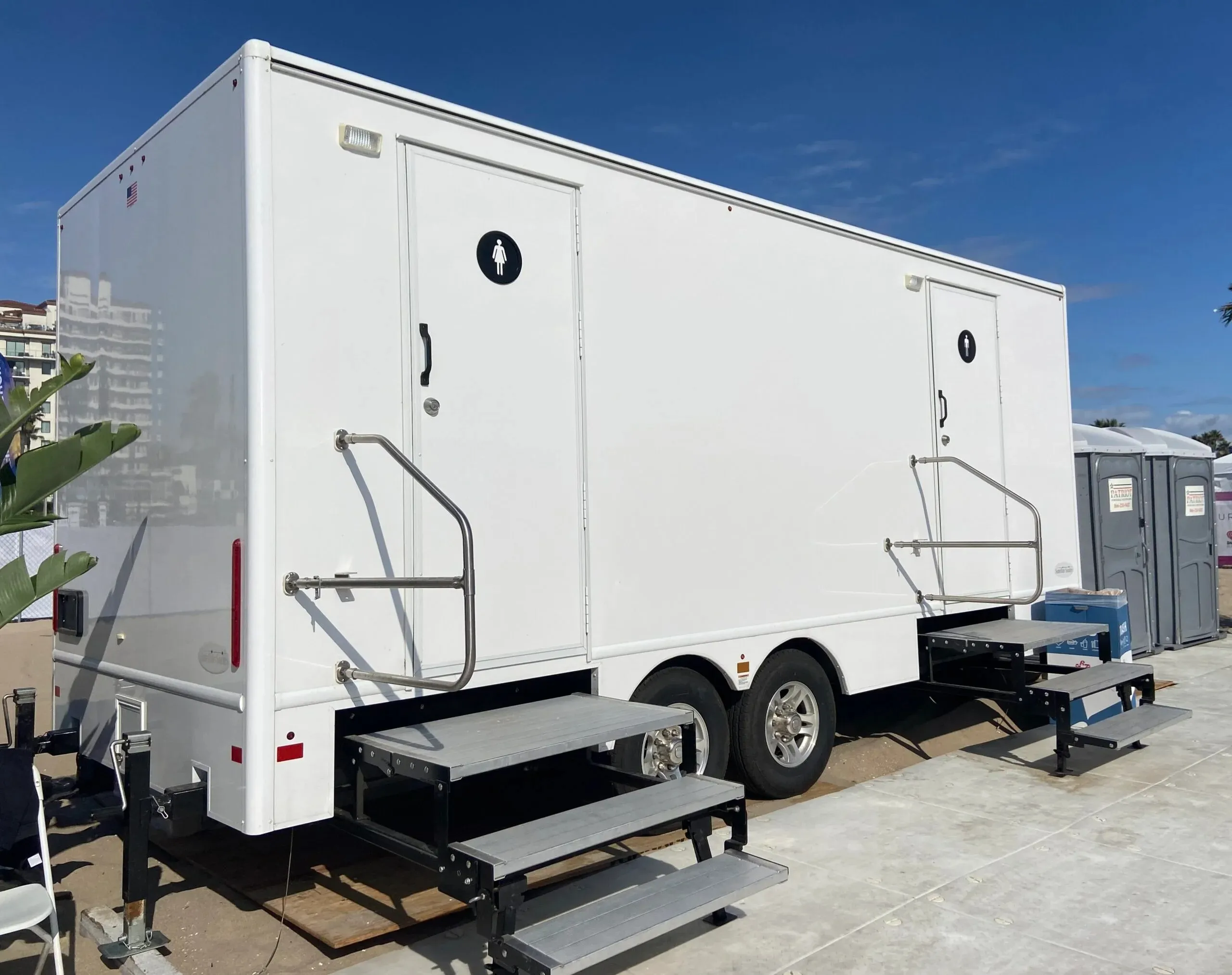
Multiple fixtures failing at once, plus outdoor odor or wet ground over the drain field, points to the tank. A single clogged fixture with no smell outside is almost always a local pipe blockage, not a tank issue. The distinction matters because a plumber can clear a pipe in an hour, but a full or failing tank needs pumping equipment and, sometimes, a field inspection. Glendale households can rule out the tank fairly quickly: run water in two bathrooms at once, and if both back up together, the problem is downstream at the tank, not upstream at either fixture. For rental properties, job sites, or event venues without permanent septic access at all, portable restroom rental or a full restroom trailer rental sidesteps the guessing entirely while a system gets checked.
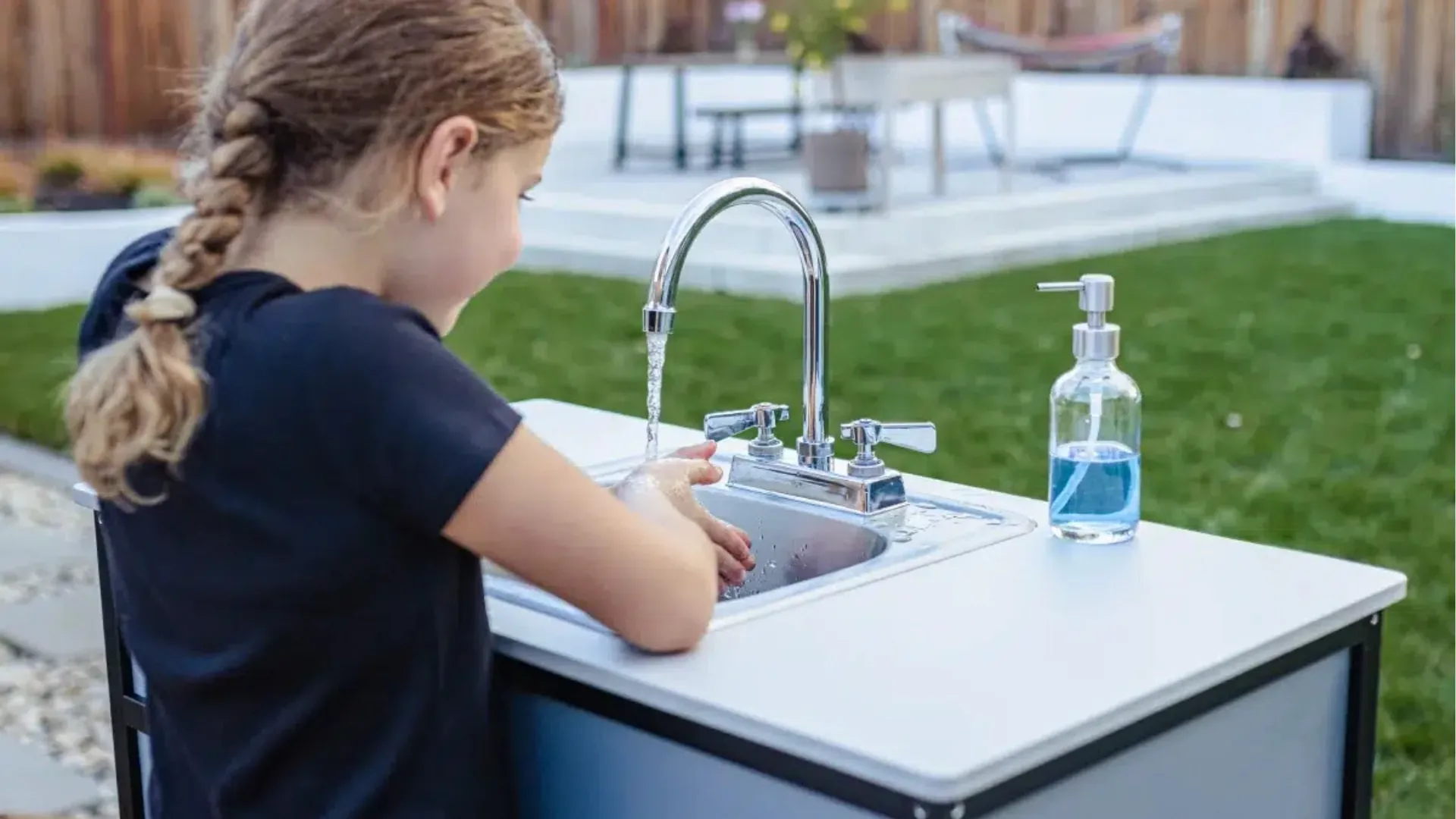
Job sites and construction crews around Glendale run into a related but separate sanitation question: OSHA 1926.51(c) sets toilet counts for construction workers, requiring one facility for 20 or fewer workers, scaling up from there, and that standard governs portable toilets on active sites, not septic systems on private property. If you are staffing a site rather than diagnosing a home septic tank, OSHA portable toilet requirements and how many porta potties do I need are the right pages, and construction site services covers the full setup Blue Peak Porta Potty provides for crews, including temporary fencing and handwashing station rental where 29 CFR 1910.141(d)(2) requires soap and towels, not sanitizer alone, at fixed job sites.
How much does it cost to pump a septic tank in Glendale?
A septic pumping visit runs $150 to $300 for a standard day-rate call, with weekend maintenance visits closer to $50 to $150. Exact pricing depends on tank size and access. See septic tank pumping cost for the full breakdown before booking.
How often should a septic tank be pumped?
Most residential tanks need pumping every 3 to 5 years, driven mainly by tank size and how many people live in the household. Larger households or smaller tanks need it sooner. Check how often to pump a septic tank for specifics.
Can I use my septic system while warning signs are showing?
Yes, but sparingly, and only until it's pumped. Slow drains and mild odor mean the system is struggling, not dead. Heavy laundry days or full-house guests can push a struggling tank into an actual backup, so book service first.
What's the difference between a septic tank and a grease trap?
A septic tank handles household wastewater; a grease trap or interceptor handles fats, oils and grease from kitchens and gets pumped at 25 percent solids depth. Commercial kitchens need grease trap pumping, not standard septic service.
Is a holding tank a permanent fix for septic problems?
No. A holding tank rental is a temporary bridge while the real system gets pumped, inspected or repaired. It keeps a household or job site running in the meantime. See holding tank rental for options.
Next step
Get a delivery date
Tell us the address, the dates and the headcount. We size the order and confirm the route.