
How fast can Blue Peak Porta Potty get a unit to my site?
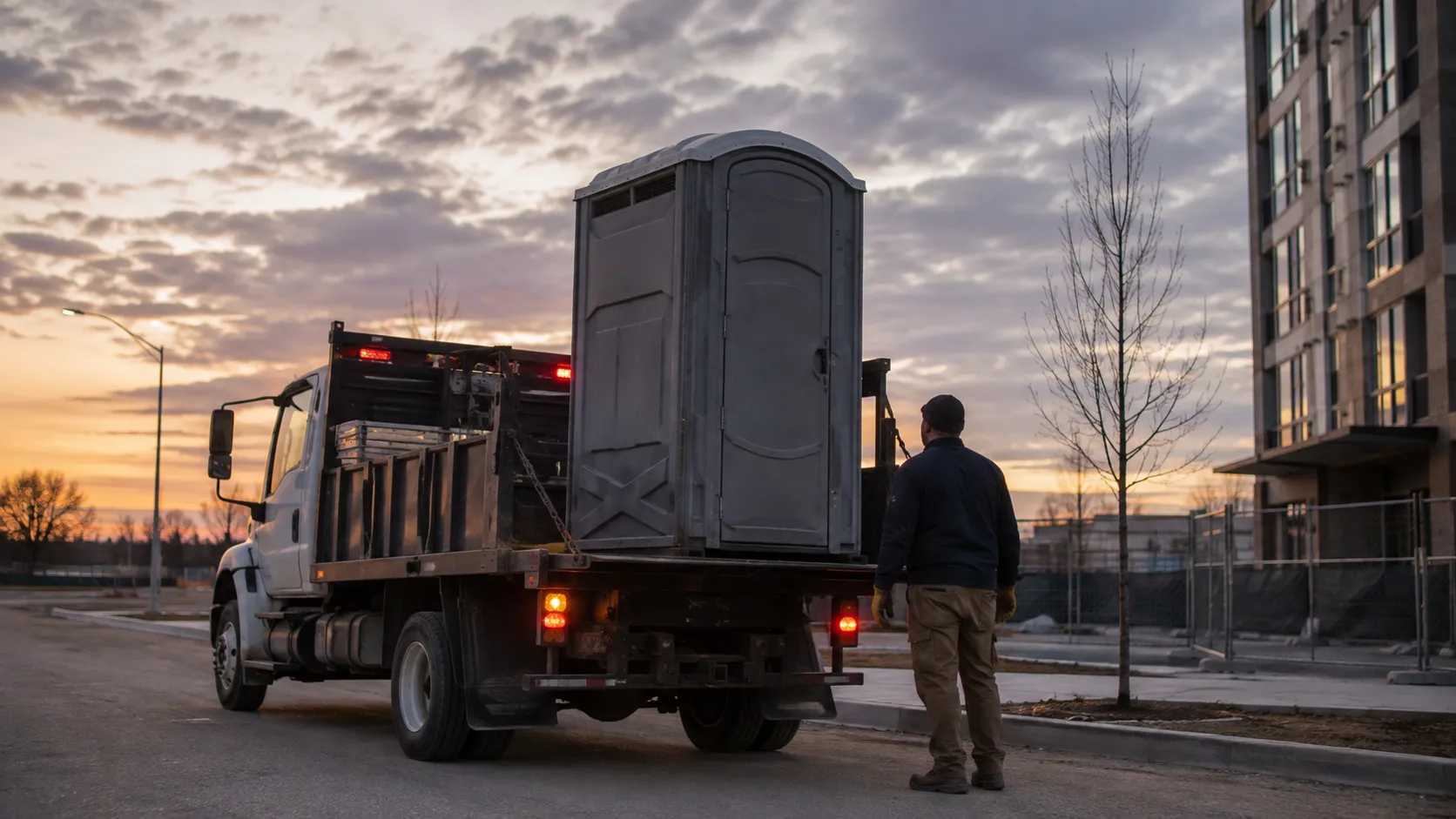
Speed depends on distance and what is already staged. Glendale sits within a tight radius of towns Blue Peak Porta Potty already services, including Sun City 9.1 miles northwest and Tolleson 9.7 miles southwest, so trucks are rarely starting cold. A standard porta potty rental is the fastest unit to place because it needs no plumbing hookup, just a level pad and about 60 feet of straight clearance if a roll-off or delivery truck needs to back in. If your emergency is a broken restroom trailer instead of a missing unit, ask about an emergency shower trailer swap so crews are not standing around. For construction sites already mid-project, construction site services can bundle the emergency unit with fencing or a dumpster in the same call, which saves a second dispatch.
What counts as a portable sanitation emergency?
A failed septic system, a vandalized or knocked-over unit, a sudden headcount spike, or a health inspector flagging a site all qualify. Emergency septic pumping service applies when a residential or commercial tank backs up without warning; a typical residential tank is pumped every 3 to 5 years under normal use, so an emergency call usually means something forced an early pump-out. Blue Peak Porta Potty also handles emergency grease trap pumping for kitchens where fats, oils and grease have hit 25 percent of the liquid depth in the interceptor, which is the point service becomes urgent rather than routine. If a jobsite in Glendale gets flagged for missing facilities, OSHA portable toilet requirements under OSHA 1926.51(c) set the ratio at one toilet for 20 workers or fewer, climbing to one toilet and one urinal per 40 workers as headcount rises. A site out of compliance on inspection day is a same-day emergency, not a scheduling problem.
Is emergency septic pumping different from a scheduled pump-out?
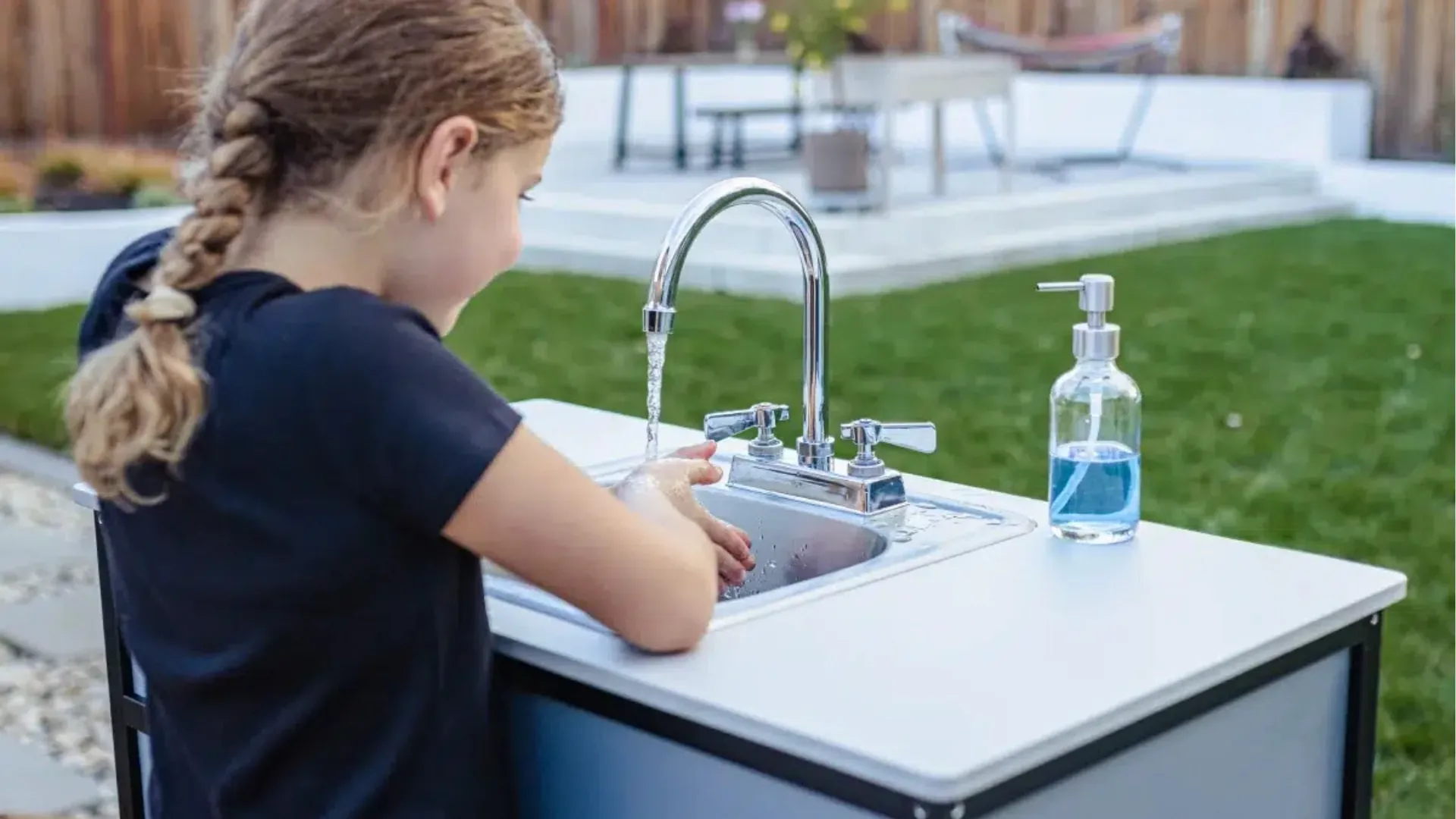
Yes, mainly in dispatch order, not in the pumping itself. A scheduled septic pumping service gets booked around a route; an emergency call jumps that queue. Pricing for septic work sits in the same band whether it is routine or urgent, generally 150 to 300 dollars for a standard visit, though after-hours or weekend emergency calls run closer to the weekend service premium. If you are not sure whether your tank needs pumping now or can wait, septic tank warning signs like slow drains, standing water over the leach field, or sewage odor near the tank are the signals that turn a routine job into an emergency one. Grease traps follow a similar logic: once the interceptor is a quarter full of solids and grease, grease trap pumping stops being optional. For a property with no working system at all, a holding tank rental can bridge the gap until permanent repairs happen, and pairs well with a portable sink rental so staff or residents keep handwashing access.
Where does an emergency unit get placed on short notice?
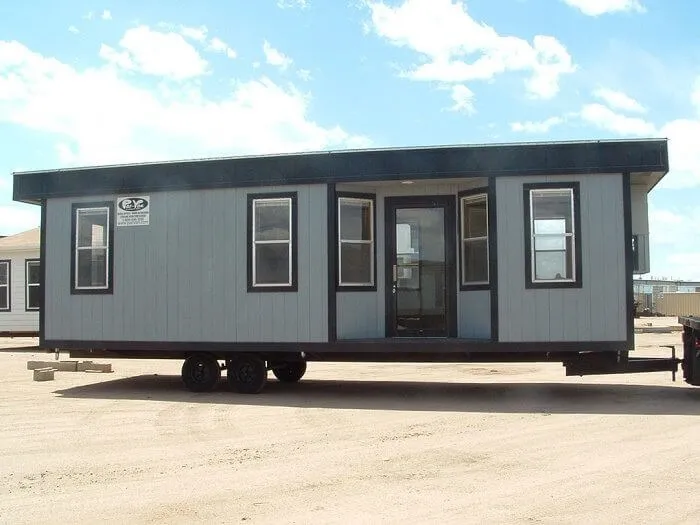
Placement in an emergency still has to work for delivery and for daily service, even under time pressure. Crews need firm, level ground; ADA Standards 302.1 calls for stable, slip resistant surfacing, which matters when a unit gets dropped fast and not necessarily on a prepped pad. If someone on site needs an accessible unit, ADA Standards 213.2 requires at least one accessible unit in any cluster, and a ada accessible porta potty has to allow the 60 inch turning circle under ADA Standards 304.3.1. Placement in the public right of way, like a curb lane or sidewalk, is not something to guess on; confirm it with the City of Glendale before the truck rolls, since right-of-way rules vary by exact location. The porta potty placement guide covers ground clearance and access questions in more depth, and porta potty permit requirements is worth a look if the emergency unit will sit on site longer than a few days. Event grounds and construction lots both fall under the same access rules regardless of how the call came in.
| unit | duration | typical price |
|---|---|---|
| standard | day | 150 |
| standard | weekend | 250 |
| septic | day | 250 |
| septic | weekend | 100 |
| service_fee | weekend | 700 |
Weekend septic calls often run leaner than a weekday dispatch because it is a flat visit rather than a full pump-and-haul, but a weekend service fee for after-hours dispatch can run 400 to 1200 dollars depending on crew availability. Ask when you call which applies.
How much does emergency delivery cost compared to standard delivery?
Emergency delivery usually adds a rush or after-hours fee on top of the standard delivery charge, which normally runs 100 to 500 dollars a day depending on distance and access. Same-day or overnight dispatch pushes toward the higher end of that band. Ask for the total delivered price before confirming, not just the unit rate.
Can I get an emergency unit on a weekend or holiday?
Yes. Blue Peak Porta Potty dispatches emergency orders outside normal business hours, though weekend and holiday calls carry a higher service fee than a weekday order. Confirm the total cost when you call rather than assuming the weekday rate applies.
What is the fastest unit type to deploy in an emergency?
A standard porta potty rental deploys fastest since it needs no water or sewer hookup, just a level 44 by 48 inch footprint. Trailers and deluxe flushable units need more setup time and a flatter, more prepared pad.
Do emergency orders skip the usual service schedule?
No, but they get inserted into it. ANSI/PSAI Z4.3 sets a baseline service interval of once weekly for normal use; an emergency delivery gets its first service scheduled around actual usage, not the standard weekly cycle, especially for high-traffic sites.
What if my septic emergency happens outside Glendale?
Blue Peak Porta Potty covers towns near Glendale too, including Sun City, Tolleson, and El Mirage at 11.3 miles northwest. Check service areas or call to confirm dispatch to your exact address.
Next step
Get a delivery date
Tell us the address, the dates and the headcount. We size the order and confirm the route.